Introduction
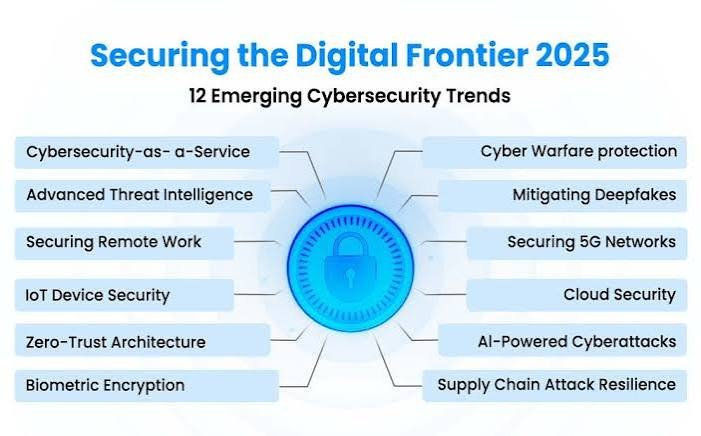
In today’s connected world, security has become one of the most important concerns for individuals, businesses, and governments. As technology continues to evolve, cyber threats are also becoming more advanced, making traditional security methods less effective. The rise of artificial intelligence, cloud computing, remote work, and connected devices has created new opportunities as well as new risks.
Security trends are constantly changing because attackers are developing new techniques to exploit weaknesses in digital systems. Organizations that want to protect their valuable information must understand emerging security patterns and adopt modern solutions before threats become serious problems.
The concept of security is no longer limited to installing antivirus software or creating strong passwords. Modern security includes data protection, identity management, artificial intelligence-based defense systems, network monitoring, privacy protection, and strategies designed to prevent future attacks.
This article explores the latest security trends shaping the digital world and explains how businesses and individuals can prepare for upcoming challenges.
What Are Security Trends?
Security trends refer to the major changes, technologies, strategies, and practices that influence how people protect digital information and physical systems. These trends develop as technology changes and as cybercriminals discover new ways to attack networks and devices.
A few years ago, security mainly focused on protecting computers from viruses. Today, security covers a much wider area, including:
- Cloud security
- Artificial intelligence security
- Data privacy
- Zero-trust security models
- Mobile device protection
- Identity and access management
- Internet of Things (IoT) security
- Ransomware prevention
Understanding these trends helps organizations improve their defenses and reduce the chances of security failures.
The Growing Importance of Cybersecurity
The digital transformation of businesses has increased dependence on technology. Companies now store important information online, use cloud platforms, communicate through digital channels, and manage operations through software systems.
While this transformation improves efficiency, it also creates new opportunities for cyber attackers. Data breaches, phishing attacks, ransomware, and identity theft have become common challenges.
Cybersecurity is now considered a strategic priority rather than just an IT responsibility. Organizations must create security plans that protect their systems, employees, customers, and reputation.
Artificial Intelligence in Security
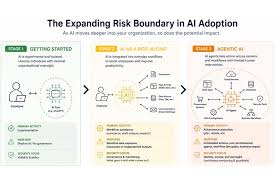
Artificial intelligence is one of the biggest security trends shaping the future. AI-powered security systems can analyze huge amounts of data, identify unusual activities, and detect threats faster than traditional methods.
Security teams are using AI for:
- Threat detection
- Automated monitoring
- Fraud prevention
- Malware analysis
- User behavior analysis
However, artificial intelligence is also being used by attackers to create more advanced threats. This creates a continuous competition between security professionals and cybercriminals.
The future of security will depend heavily on responsible AI implementation and advanced defense techniques.
Zero Trust Security Model
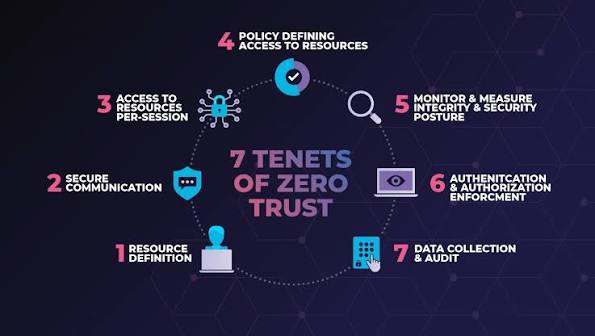
One of the most important modern security trends is the Zero Trust approach. Traditional security models often trusted users inside a network, but modern threats have shown that internal systems can also be compromised.
Zero Trust follows the principle:
“Never trust automatically; always verify.”
This means every user, device, and connection must be verified before accessing sensitive information.
Benefits of Zero Trust security include:
- Better access control
- Reduced risk of unauthorized access
- Improved data protection
- Stronger security visibility
Many organizations are adopting Zero Trust because remote work and cloud services have changed how employees access company resources.
Cloud Security Growth
Cloud technology has transformed the way organizations store and manage data. Businesses use cloud platforms because they provide flexibility, scalability, and cost benefits.
However, cloud environments also introduce security challenges, including:
- Misconfigured systems
- Unauthorized access
- Data exposure
- Weak authentication methods
Cloud security has become a major focus area, with companies investing in encryption, monitoring tools, and identity management solutions.
10 Advantages of Security Trends
1. Better Data Protection
Modern security trends help businesses and individuals protect important data from theft, damage, and unauthorized access. Advanced security systems play a key role in keeping sensitive information safe.
2. Protection Against Cyber Attacks
New security technologies such as Artificial Intelligence and advanced threat detection systems help identify cyber attacks quickly and reduce potential damage.
3. Improved Privacy
Security trends help protect users’ personal information and reduce the risks of data misuse, leaks, and unauthorized sharing.
4. Increased Business Trust
Companies that use strong security systems gain more customer trust. A secure digital environment improves business reputation and customer confidence.
5. Better Risk Management
Modern security solutions help organizations identify possible threats earlier, allowing them to make better decisions and prepare effective responses.
6. Safer Remote Work
With the growth of remote work, security trends help protect employees, devices, and company networks from online threats.
7. Automated Monitoring
AI-powered security systems can continuously monitor activities and quickly detect unusual behavior or suspicious actions.
8. Reduced Financial Losses
Strong security practices help reduce financial losses caused by data breaches, fraud, ransomware, and other cyber threats.
9. Support for Modern Technologies
Security trends help organizations safely adopt new technologies such as cloud computing, Internet of Things (IoT), and artificial intelligence.
10. Better Preparation for Future Threats

Following the latest security trends helps businesses and individuals stay prepared for upcoming cyber risks and challenges.
10 Disadvantages of Security Trends
1. High Implementation Costs
Modern security systems can require significant investment, which may be challenging for small businesses with limited budgets.
2. Increased Complexity
Advanced security tools can be difficult to understand, manage, and maintain without proper technical knowledge.
3. Need for Skilled Professionals
Organizations need trained cybersecurity experts to operate and manage modern security systems effectively.
4. Continuous Updates Required
Security systems must be updated regularly to protect against new threats, which requires time and resources.
5. Risk of Incorrect Configuration
Poorly configured security systems may create vulnerabilities instead of protecting against threats.
6. Privacy Concerns
Some security technologies involve increased monitoring, which can raise concerns about user privacy.
7. Constantly Evolving Threats
Cybercriminals continue developing new attack methods, making it difficult to achieve complete protection.
8. Impact on System Performance
Some security tools may slow down devices or networks because they require additional processing resources.
9. Training Requirements
Employees may need regular training to understand new security policies and use security tools correctly.
10. No Complete Guarantee of Protection
Even advanced security systems cannot provide 100% protection, so continuous awareness and preventive measures are necessary.
10 Frequently Asked Questions (FAQs) About Security Trends
1. What are Security Trends?
Security trends refer to new technologies, strategies, and practices used to improve digital security and protect information from threats.
2. Why are Security Trends important?
Security trends are important because cyber threats are increasing, and modern protection methods are needed to defend against advanced attacks.
3. What technologies are included in modern Security Trends?
Modern security trends include Artificial Intelligence, Cloud Security, Zero Trust Security, Data Protection, and IoT Security.
4. Can Artificial Intelligence improve security?
Yes, AI can improve security by detecting threats faster, analyzing suspicious activities, and helping security teams respond effectively.
5. What is Zero Trust Security?
Zero Trust Security is a security approach where every user, device, and connection must be verified before access is granted.
6. Why is Cloud Security important?
Cloud Security protects online data storage systems from unauthorized access, data leaks, and cyber attacks.
7. Should small businesses follow Security Trends?
Yes, small businesses can also become targets of cyber attacks, so adopting proper security practices is important.
8. How will Security Trends change in the future?
Future security trends will focus more on Artificial Intelligence, automation, advanced monitoring, and stronger protection methods.
9. Are strong passwords enough for security?
No, strong passwords are important, but complete security requires additional measures such as multi-factor authentication and regular updates.
10. How can organizations adopt Security Trends?
Organizations can adopt security trends by updating systems regularly, training employees, improving access control, and using modern security solutions.
Conclusion
Security trends continue to evolve as technology and cyber threats become more advanced. Organizations and individuals must stay informed about these changes to protect their digital assets.
Artificial intelligence, Zero Trust security, cloud protection, and advanced threat detection are becoming essential parts of modern security strategies. The future belongs to those who understand risks early and take proactive steps to defend against them.
As the digital world continues expanding, security will remain a critical priority for everyone.