Introduction: Why Privacy Protection Matters Today
In today’s connected world, personal information has become one of the most valuable assets. Every day, people use smartphones, computers, websites, mobile applications, and online services to communicate, shop, work, learn, and manage their finances. While digital technology has made life easier, it has also increased the risks associated with sharing personal data online.
Privacy protection refers to the methods, practices, and technologies used to keep personal information safe from unauthorized access, misuse, theft, or exposure. It helps individuals maintain control over their private details and reduces the chances of becoming victims of cyber threats.
From social media accounts to online banking platforms, almost every digital activity involves the collection of personal information. Names, email addresses, locations, financial details, browsing habits, and even personal preferences can be collected by companies and online platforms. Without proper privacy protection, this information may be used in ways that users do not expect.
Understanding privacy protection is no longer only a concern for technology experts. It has become an essential skill for everyone who uses the internet.
What Is Privacy Protection?
Privacy protection is the process of securing personal and sensitive information from unauthorized access, collection, sharing, or misuse. It involves a combination of security measures, responsible online behavior, legal regulations, and awareness.
Personal privacy includes information such as:
- Full name and identity details
- Home address
- Phone number
- Email accounts
- Banking information
- Medical records
- Passwords
- Online activities
- Personal photographs and videos
- Location data
Privacy protection ensures that individuals have the ability to decide who can access their information and how that information can be used.
In simple terms, privacy protection means keeping your personal life and digital identity secure.
The Importance of Privacy Protection in the Digital Age
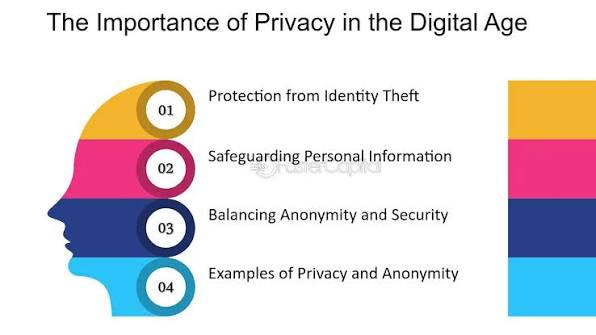
The internet has transformed how people share and store information. While this transformation provides many benefits, it also creates new privacy challenges.
1. Protection Against Identity Theft
Identity theft is one of the biggest risks associated with poor privacy protection. Criminals can steal personal information and use it to open fake accounts, make unauthorized purchases, or commit fraud.
Strong privacy practices, such as using secure passwords and protecting sensitive information, can reduce the risk of identity theft.
2. Preventing Data Misuse
Many websites and applications collect user data for different purposes. While some organizations use data responsibly, others may misuse or expose personal information.
Privacy protection helps users understand what information they share and gives them more control over their digital footprint.
3. Maintaining Personal Freedom
Privacy allows people to express themselves, communicate, and explore information without unnecessary monitoring. When personal data is constantly exposed, individuals may feel restricted in their online activities.
Protecting privacy supports freedom, confidence, and trust in digital environments.
4. Protecting Financial Information
Online banking, shopping, and payment services require users to share financial details. If this information falls into the wrong hands, it can lead to serious financial losses.
Privacy protection measures help secure banking details, payment information, and transaction history.
Common Threats to Personal Privacy
Understanding privacy risks is the first step toward better protection. Several threats can compromise personal information.
Data Breaches
A data breach occurs when hackers gain unauthorized access to a company’s stored information. These incidents can expose millions of users’ private details.
Data breaches may reveal:
- Passwords
- Email addresses
- Credit card information
- Personal records
Organizations must use strong security systems, but individuals should also take steps to protect their own information.
Phishing Attacks
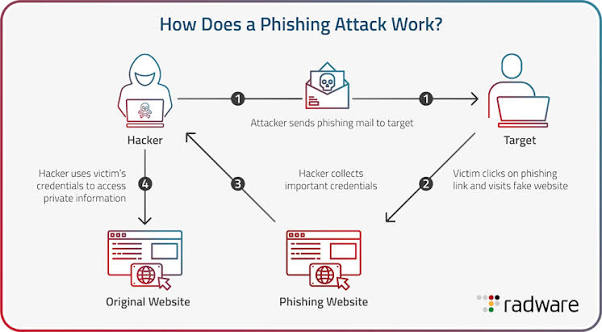
Phishing is a common online scam where criminals pretend to be trusted organizations or individuals to steal information.
Examples include:
- Fake emails asking for passwords
- Fake banking messages
- Fraudulent login pages
Users should always verify messages before clicking links or sharing personal details.
Weak Passwords
Using simple passwords makes accounts easier to access. Many security problems happen because people reuse the same password across multiple websites.
A strong password should include:
- A combination of letters
- Numbers
- Special characters
- A unique structure
Using different passwords for different accounts improves privacy protection.
Tracking and Online Monitoring
Many websites use tracking technologies to collect information about user behavior. This data may include browsing history, interests, location, and online preferences.
Privacy-focused settings and tools can help users manage tracking and limit unnecessary data collection.
How Privacy Protection Works
Privacy protection involves different strategies that work together to keep information secure.
Encryption
Encryption converts information into a protected format that cannot easily be understood by unauthorized users. It is widely used in online banking, messaging applications, and secure websites.
When data is encrypted, even if someone accesses it illegally, they may not be able to read or use it.
Two-Factor Authentication
Two-factor authentication adds an additional security step when logging into accounts. Instead of relying only on a password, users must provide another verification method.
Examples include:
- A security code sent to a phone
- Authentication applications
- Fingerprint verification
This makes unauthorized access much more difficult.
Privacy Settings
Most online platforms provide privacy settings that allow users to control information sharing.
Users should regularly review:
- Account visibility settings
- Location permissions
- Application access
- Advertising preferences
Adjusting these settings improves overall privacy protection.
Privacy Protection and Social Media
Social media platforms have changed how people communicate and share information. However, oversharing personal details can create privacy risks.
Users should avoid sharing:
- Home addresses
- Financial information
- Private documents
- Personal security details
It is also important to review friend lists, followers, and account permissions regularly.
A responsible social media approach helps maintain a safer online presence.
The Role of Companies in Privacy Protection
Businesses that collect customer information have a responsibility to protect that data. Companies should follow strong privacy practices, including:
- Transparent data policies
- Secure storage systems
- Limited data collection
- Regular security updates
- Employee training
Customers are more likely to trust companies that respect and protect their privacy.
Privacy Protection Laws and Regulations
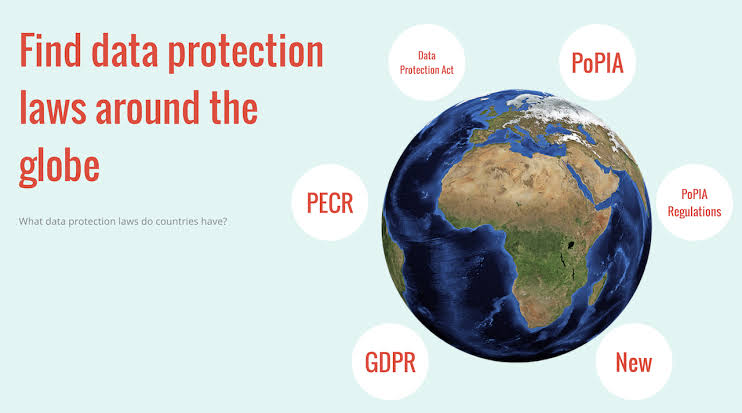
Governments around the world have introduced privacy laws to protect individuals from misuse of personal information.
These regulations generally focus on:
- How companies collect data
- How information is stored
- User rights regarding personal information
- Requirements for reporting data breaches
Privacy laws help create accountability and encourage organizations to handle information responsibly.
Conclusion
Privacy protection has become an essential part of modern digital life. As technology continues to grow, protecting personal information requires awareness, responsible habits, and effective security practices.
Everyone has a role in maintaining privacy. By using strong passwords, enabling security features, reviewing privacy settings, and understanding online risks, individuals can significantly improve their digital safety.
A secure digital future depends on respecting privacy and protecting personal information. Privacy protection is not just about preventing problems; it is about creating a safer, more trustworthy online environment for everyone.