
Cloud Security Incidents Making Headlines This Week: What Businesses Need to Know
Cloud computing has transformed the way organizations store data, run applications, and manage business operations. From startups to multinational enterprises, cloud platforms have become the backbone of modern digital infrastructure. However, as cloud adoption continues to grow, cybercriminals are increasingly targeting cloud environments with sophisticated attacks.
This week, cloud security remained a major focus in the cybersecurity world, with reports highlighting AI-assisted cloud attacks, stolen cloud credentials, and growing concerns over cloud misconfigurations. These developments reinforce the importance of strong cloud security practices for organizations of every size.
In this article, we’ll examine the most significant cloud security incidents making headlines this week, discuss common attack methods, and share practical strategies to strengthen your cloud security posture.
Why Cloud Security Is More Important Than Ever
Cloud platforms offer flexibility, scalability, and cost savings, but they also introduce new security challenges. Sensitive business data is often distributed across multiple cloud services, increasing the potential attack surface.
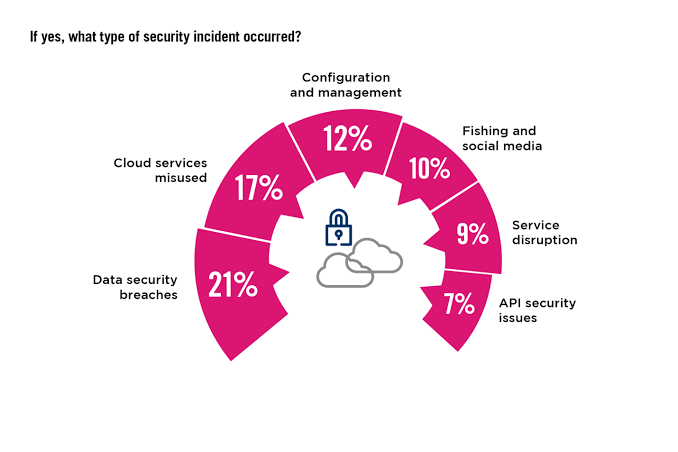
Recent cybersecurity reports indicate that attackers are increasingly exploiting weak identity controls, cloud configuration errors, and compromised credentials rather than relying solely on traditional malware.
Common cloud security risks include:
- Unauthorized account access
- Data breaches
- Cloud storage misconfigurations
- API vulnerabilities
- Insider threats
- Credential theft
- Ransomware targeting cloud workloads
1. AI-Assisted Attacks Against Cloud Environments
One of the biggest stories this week involves security researchers demonstrating how attackers can combine artificial intelligence with stolen credentials and cloud weaknesses to compromise cloud environments more efficiently.
The reported attack showed how AI can help identify exposed services, automate reconnaissance, and accelerate privilege escalation inside cloud infrastructures. While the incident occurred in a controlled context, it highlights the growing role of AI in cyberattacks.
Key Lessons
- Monitor cloud identities continuously.
- Apply least-privilege access.
- Detect unusual account behavior early.
- Use AI-powered threat detection tools.
2. Rising Concerns Over Stolen Cloud Credentials
Security experts continue to warn that stolen usernames, passwords, API keys, and access tokens remain one of the easiest ways for attackers to enter cloud environments.
Instead of exploiting software vulnerabilities, many attackers simply log in using compromised credentials obtained through phishing campaigns or information-stealing malware.
Best Practices
- Enable Multi-Factor Authentication (MFA).
- Rotate access keys regularly.
- Monitor privileged accounts.
- Use password managers for strong credentials.
3. Cloud Misconfigurations Continue to Cause Data Exposure
Misconfigured cloud storage remains one of the leading causes of accidental data exposure.
Examples include:
- Publicly accessible storage buckets
- Open databases
- Incorrect Identity and Access Management (IAM) permissions
- Unsecured backups
These mistakes can expose sensitive customer information, financial records, and proprietary business data.
Prevention Tips
- Conduct regular cloud security audits.
- Automate configuration monitoring.
- Encrypt sensitive information.
- Review permissions frequently.
4. Increased Focus on Identity Security
Cybersecurity professionals increasingly agree that identity is the new security perimeter.
Cloud providers offer strong security features, but organizations remain responsible for protecting user accounts and permissions.
Recent security discussions emphasize:
- Identity governance
- Conditional access policies
- Privileged access management
- Zero Trust architectures
Organizations that strengthen identity controls significantly reduce their exposure to cloud-based attacks.
5. Supply Chain Risks in Cloud Services
Businesses rely heavily on third-party cloud providers, software vendors, and SaaS applications.
If one provider experiences a security incident, thousands of customers may also be affected.
Security experts recommend carefully evaluating:
- Vendor security policies
- Data handling procedures
- Incident response capabilities
- Compliance certifications
Supply chain security remains a top concern for organizations moving more workloads to the cloud.
6. AI Security and Cloud Infrastructure
Artificial intelligence services are increasingly hosted in cloud environments.
As organizations deploy AI applications, security teams must protect:
- AI models
- Training datasets
- Cloud APIs
- User prompts
- Model outputs
Recent discussions around AI safety and cloud-hosted AI infrastructure demonstrate that protecting cloud environments now includes safeguarding AI workloads as well.
Industries Most Affected by Cloud Security Incidents
Cloud attacks affect organizations across every sector, but some industries face greater risks because they store valuable or highly regulated data.
High-risk industries include:
- Healthcare
- Banking and financial services
- Government
- Technology companies
- Retail
- Manufacturing
- Education
- Telecommunications
Organizations in these sectors should prioritize cloud security investments and regular risk assessments.
Common Cloud Attack Methods
Security experts continue to observe several recurring attack techniques:
- Phishing emails
- Credential theft
- API abuse
- Cloud account takeover
- Malware deployment
- Ransomware
- Insider threats
- Misconfigured storage
- Supply chain compromises
Understanding these methods helps organizations build stronger defenses.
Best Practices for Securing Cloud Environments
Organizations can significantly reduce cloud security risks by implementing a layered security strategy.
1. Enable Multi-Factor Authentication
MFA protects accounts even when passwords are compromised.
2. Encrypt Sensitive Data
Encryption protects information both in transit and at rest.
3. Monitor Cloud Activity
Use Cloud Security Posture Management (CSPM), Security Information and Event Management (SIEM), and Endpoint Detection and Response (EDR) solutions to detect suspicious activity.
4. Apply the Principle of Least Privilege
Grant users only the permissions required for their roles.
5. Keep Systems Updated
Install patches promptly to address newly discovered vulnerabilities.
6. Conduct Regular Security Assessments
Routine vulnerability scans and penetration tests help identify weaknesses before attackers do.
7. Train Employees
Many cloud security incidents begin with phishing emails or stolen credentials. Regular cybersecurity awareness training reduces human error.
Future Cloud Security Trends
Cloud security is expected to become even more important as organizations expand their use of artificial intelligence, hybrid cloud environments, edge computing, and Software-as-a-Service (SaaS) platforms.
Security experts predict increased adoption of:
- AI-powered threat detection
- Zero Trust security models
- Automated compliance monitoring
- Identity-first security strategies
- Continuous cloud risk assessment
Businesses that proactively invest in these technologies will be better prepared to defend against future cyber threats.
Conclusion
The cloud security incidents making headlines this week demonstrate that cloud environments remain a primary target for cybercriminals. From AI-assisted attacks and stolen credentials to cloud misconfigurations and identity-based threats, organizations face an increasingly complex cybersecurity landscape.
The good news is that many cloud security incidents are preventable. By enabling multi-factor authentication, enforcing strong identity controls, encrypting sensitive data, monitoring cloud activity, and conducting regular security assessments, organizations can significantly reduce their risk.
Cloud security is a shared responsibility that requires continuous monitoring, employee awareness, and proactive defense strategies. Staying informed about emerging threats and implementing industry best practices will help businesses protect their data, maintain customer trust, and ensure long-term operational resilience.