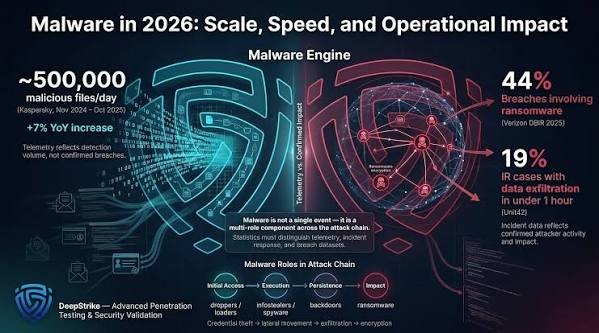
New Malware Variants Security Researchers Have Identified in 2026
Cybercriminals are constantly developing new malware variants to evade security defenses and exploit emerging technologies. As organizations strengthen their cybersecurity measures, attackers respond by creating more sophisticated malware capable of stealing data, encrypting systems, bypassing antivirus software, and spreading across networks with greater efficiency.
In 2026, security researchers continue to identify advanced malware families that leverage artificial intelligence (AI), fileless execution, credential theft, and cloud-based attack techniques. These evolving threats highlight the importance of continuous monitoring, timely software updates, and proactive cybersecurity strategies.
This article explores the latest malware variants security researchers have identified, how they operate, the industries most at risk, and the best practices organizations can implement to defend against modern malware attacks.
Why Malware Continues to Evolve
Traditional malware relied on infecting files or applications to spread. Today’s malware is far more advanced, using stealth techniques to avoid detection and remain active for extended periods.
Modern malware developers frequently modify existing code, creating new variants that bypass signature-based antivirus tools. Some malware campaigns even use automation and AI to adapt their behavior during an attack.
Key reasons malware continues to evolve include:
- Improved cybersecurity defenses
- Greater use of cloud computing
- Expansion of remote work
- Increased reliance on connected devices
- Financial incentives from ransomware
- Availability of Malware-as-a-Service (MaaS)
Because malware changes rapidly, organizations must adopt security solutions that detect suspicious behavior rather than relying only on known malware signatures.
1. AI-Assisted Malware
One of the most significant developments in cybersecurity is the rise of AI-assisted malware. While AI is also used for defense, attackers are using it to make malware more effective and harder to detect.
AI-assisted malware can:
- Adapt to security environments
- Automate reconnaissance
- Generate convincing phishing content
- Identify vulnerable systems
- Change behavior to avoid detection
Although fully autonomous AI malware remains uncommon, researchers are increasingly studying how AI can enhance traditional malware campaigns.
How to Stay Protected
- Use AI-powered endpoint security.
- Monitor unusual system behavior.
- Train employees to recognize phishing attempts.
- Apply software updates promptly.
2. Fileless Malware Variants
Fileless malware has become increasingly popular because it operates primarily in a system’s memory instead of installing traditional executable files.
This approach allows attackers to evade many conventional antivirus programs.
Common characteristics include:
- Memory-based execution
- Abuse of legitimate system tools
- PowerShell exploitation
- Registry manipulation
- Credential theft
Prevention Tips
- Restrict administrative privileges.
- Monitor PowerShell activity.
- Deploy Endpoint Detection and Response (EDR) solutions.
- Enable application control policies.
3. Advanced Ransomware Variants
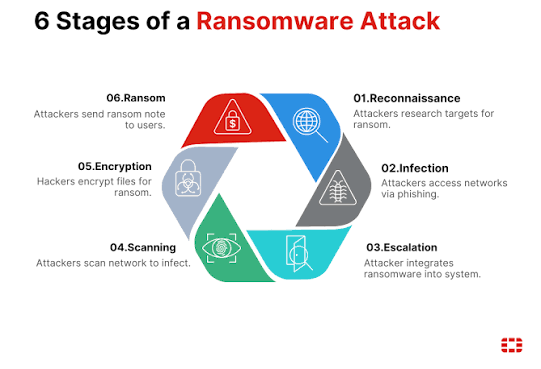
Ransomware continues to evolve beyond simple file encryption.
Modern ransomware variants often:
- Steal sensitive data before encryption
- Disable security software
- Spread automatically across networks
- Target cloud environments
- Use double or triple extortion tactics
Some groups now threaten customers, business partners, or employees after stealing confidential information.
Best Practices
- Maintain secure offline backups.
- Segment critical networks.
- Test recovery procedures regularly.
- Enable Multi-Factor Authentication (MFA).
4. Information-Stealing Malware
Information stealers remain one of the fastest-growing malware categories.
These malware variants focus on collecting valuable information rather than disrupting systems.
Common targets include:
- Browser passwords
- Banking credentials
- Cryptocurrency wallets
- Session cookies
- Saved authentication tokens
- Email accounts
Stolen credentials are frequently sold on underground cybercrime marketplaces or used in follow-up attacks.
Security Recommendations
- Use password managers.
- Enable MFA on all accounts.
- Monitor unusual login activity.
- Rotate compromised credentials immediately.
5. Cloud-Focused Malware
As businesses increasingly rely on cloud infrastructure, attackers are adapting malware to target cloud environments.
Cloud-focused malware may attempt to:
- Steal API keys
- Access cloud storage
- Compromise virtual machines
- Hijack cloud identities
- Abuse cloud management tools
Organizations should remember that securing cloud workloads is a shared responsibility between cloud providers and customers.
6. Mobile Malware Variants
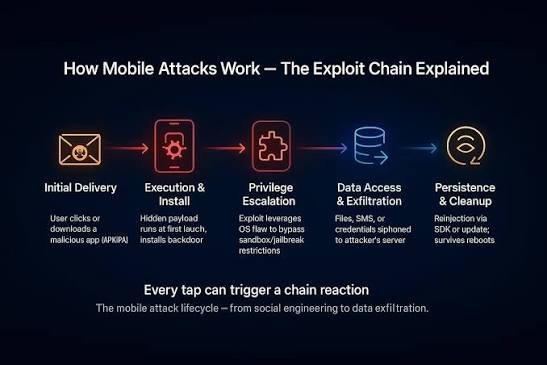
Smartphones and tablets continue to attract cybercriminals because they store sensitive personal and business information.
Recent mobile malware trends include:
- Banking Trojans
- Spyware
- Fake mobile applications
- SMS interception
- Credential theft
- Remote device control
Employees using personal devices for work increase the potential attack surface for organizations.
Mobile Security Tips
- Download apps only from trusted stores.
- Keep operating systems updated.
- Avoid unknown links in text messages.
- Use mobile security software.
Common Infection Methods
Most malware infections begin through a limited number of attack techniques.
The most common infection methods include:
- Phishing emails
- Malicious attachments
- Compromised websites
- Software vulnerabilities
- Stolen credentials
- USB devices
- Fake software updates
- Supply chain attacks
Employee awareness remains one of the most effective defenses against these threats.
Industries Most Frequently Targeted
Although malware affects every industry, some sectors remain especially attractive because they handle valuable or sensitive information.
High-risk industries include:
- Healthcare
- Banking and finance
- Government
- Manufacturing
- Retail
- Education
- Technology
- Energy
- Telecommunications
Organizations operating in these sectors should regularly evaluate their cybersecurity posture.
Best Practices for Malware Protection
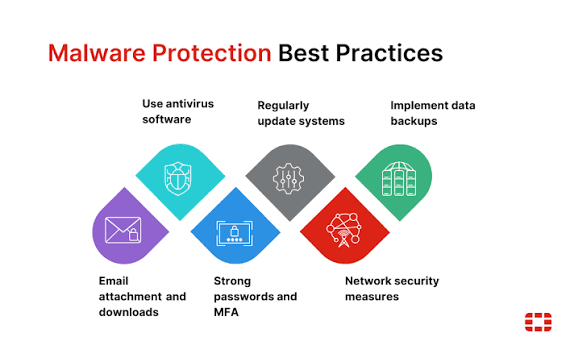
Reducing malware risk requires a layered security approach.
1. Keep Systems Updated
Install operating system and software patches as soon as they become available.
2. Use Advanced Endpoint Protection
Behavior-based Endpoint Detection and Response (EDR) solutions help identify suspicious activity that traditional antivirus software may miss.
3. Enable Multi-Factor Authentication
MFA significantly reduces the impact of stolen passwords.
4. Conduct Employee Security Training
Educate employees about phishing emails, malicious attachments, and social engineering attacks.
5. Back Up Important Data
Maintain secure offline and cloud backups to recover quickly from ransomware attacks.
6. Monitor Networks Continuously
Security Information and Event Management (SIEM) systems help detect unusual activity across enterprise networks.
7. Restrict User Privileges
Apply the principle of least privilege to limit access to critical systems and reduce the potential impact of malware.
Future Malware Trends
Security researchers expect malware to become even more sophisticated in the coming years. Emerging trends include greater use of AI-assisted attack techniques, increased targeting of cloud environments, more fileless malware, and improved methods for bypassing endpoint security solutions.
At the same time, cybersecurity technologies are evolving to counter these threats. AI-powered threat detection, Zero Trust architectures, automated incident response, and behavioral analytics are helping organizations identify and contain attacks more quickly.
Businesses that invest in continuous monitoring, regular employee training, and modern security technologies will be better prepared to defend against future malware campaigns.

Conclusion
New malware variants continue to challenge organizations worldwide by becoming more adaptable, stealthy, and difficult to detect. AI-assisted malware, fileless attacks, advanced ransomware, information-stealing malware, cloud-focused threats, and mobile malware are among the most significant risks identified by security researchers.
While these threats continue to evolve, organizations can greatly reduce their exposure by adopting a layered cybersecurity strategy. Regular software updates, advanced endpoint protection, employee awareness training, strong identity management, secure backups, and continuous monitoring provide a solid foundation for defending against modern malware.
Cybersecurity is an ongoing process that requires constant vigilance. Staying informed about emerging malware trends and implementing proactive security measures will help businesses protect their systems, safeguard sensitive data, and maintain customer trust in an increasingly connected digital world.