Cybersecurity Alerts Every Organization Should Know Today (2026 Guide)
Cybersecurity threats are evolving at an unprecedented pace, making it essential for organizations to stay informed about the latest security alerts. Every day, businesses face new risks ranging from ransomware attacks and phishing campaigns to cloud vulnerabilities and zero-day exploits. Ignoring these threats can lead to financial losses, operational disruptions, regulatory penalties, and long-term reputational damage.
In 2026, cybersecurity is no longer just the responsibility of IT departments. Every employee, executive, and business leader plays a critical role in protecting organizational data and digital assets. By understanding the most important cybersecurity alerts, organizations can take proactive steps to reduce risks and strengthen their security posture.
This article highlights the cybersecurity alerts every organization should know today, explains why they matter, and provides practical strategies to defend against modern cyber threats.
Why Cybersecurity Alerts Matter
Cybersecurity alerts provide early warnings about newly discovered vulnerabilities, active cyberattacks, malware campaigns, and emerging threat actors. Security researchers, government agencies, and technology companies regularly issue alerts to help organizations respond before attackers can exploit weaknesses.
Organizations that monitor cybersecurity alerts can:
- Identify security risks early
- Patch vulnerable systems quickly
- Reduce the likelihood of data breaches
- Improve incident response
- Maintain regulatory compliance
- Protect customer trust
Staying informed allows businesses to shift from reacting to cyber incidents to preventing them.
1. Ransomware Attacks Continue to Increase
Ransomware remains one of the most serious cybersecurity threats affecting organizations worldwide. Modern ransomware groups often steal sensitive information before encrypting systems, using a tactic known as double extortion.
Recent trends show attackers targeting businesses of all sizes, including healthcare providers, manufacturers, financial institutions, schools, and government agencies.
Warning Signs
- Unexpected file encryption
- Suspicious administrator activity
- Disabled security software
- Unusual network traffic
- Unauthorized access attempts
Prevention Tips
- Maintain offline backups.
- Enable Multi-Factor Authentication (MFA).
- Keep software updated.
- Restrict administrative privileges.
2. Phishing Campaigns Are Becoming More Sophisticated
Phishing remains the most common entry point for cyberattacks. Attackers now use artificial intelligence (AI) to create highly convincing emails, fake login pages, and even voice messages.
Organizations should remain alert for:
- Fake invoice emails
- Business email compromise (BEC)
- QR code phishing (Quishing)
- SMS phishing (Smishing)
- Voice phishing (Vishing)
Protection Strategies
- Train employees regularly.
- Verify unexpected payment requests.
- Use advanced email filtering.
- Avoid clicking unknown links.
3. Zero-Day Vulnerabilities Require Immediate Attention
Zero-day vulnerabilities are software flaws discovered before developers release security patches. Attackers actively search for these weaknesses because organizations have limited defenses until updates become available.
Common targets include:
- Operating systems
- Web browsers
- Enterprise software
- VPN appliances
- Email servers
Best Practices
- Apply emergency patches immediately.
- Subscribe to vendor security advisories.
- Monitor threat intelligence feeds.
- Use endpoint protection tools.
4. Cloud Security Misconfigurations
Cloud services continue to be a major focus for businesses, but misconfigured cloud environments remain a leading cause of data exposure.
Common cloud security issues include:
- Public storage buckets
- Weak access controls
- Exposed APIs
- Unencrypted data
- Excessive user permissions
Risk Reduction
- Perform regular cloud security audits.
- Encrypt sensitive data.
- Implement identity-based access controls.
- Review permissions frequently.
5. Identity and Credential Theft
Cybercriminals increasingly target user identities instead of network infrastructure. Stolen usernames, passwords, authentication tokens, and API keys allow attackers to access systems without triggering traditional security defenses.
Warning Signs
- Unusual login locations
- Multiple failed login attempts
- Unexpected password changes
- Privilege escalation activity
Protection
- Require MFA for all users.
- Use password managers.
- Rotate credentials regularly.
- Monitor privileged accounts.
6. Supply Chain Cyber Risks
Organizations increasingly depend on third-party vendors, cloud providers, and software suppliers. A single compromised vendor can expose hundreds or thousands of businesses to cyber threats.
Recent cybersecurity alerts continue to emphasize supply chain security because attackers often exploit trusted software updates or vendor access.
Security Measures
- Assess vendor security practices.
- Limit third-party access.
- Review software updates carefully.
- Monitor supplier activity.
7. AI-Powered Cyber Threats
Artificial intelligence is transforming cybersecurity for both defenders and attackers.
Cybercriminals now use AI to:
- Generate realistic phishing emails
- Automate malware deployment
- Analyze vulnerabilities
- Create convincing deepfake content
- Improve social engineering attacks
Organizations should prepare for increasingly automated cyber threats while adopting AI-powered defensive technologies.
8. Internet of Things (IoT) Device Vulnerabilities
Smart devices continue to expand organizational attack surfaces.
Commonly targeted devices include:
- Security cameras
- Smart sensors
- Industrial controllers
- Medical equipment
- Network-connected printers
Many IoT devices still use weak default passwords or outdated firmware.
Protection Tips
- Change default credentials.
- Update firmware regularly.
- Separate IoT devices from corporate networks.
- Disable unnecessary services.
9. Insider Threats
Not every cyber threat comes from external attackers. Employees, contractors, and business partners can accidentally—or intentionally—compromise organizational security.
Examples include:
- Sharing sensitive files
- Weak password practices
- Unauthorized software installation
- Data theft
- Misconfigured systems
Prevention
- Apply the principle of least privilege.
- Monitor unusual user activity.
- Conduct security awareness training.
- Remove access promptly when employees leave.
10. Business Email Compromise (BEC)
Business Email Compromise remains one of the most financially damaging cyber threats.
Attackers impersonate executives, suppliers, or trusted business partners to trick employees into transferring money or sharing confidential information.
Best Practices
- Verify payment requests through separate communication channels.
- Require approval for large financial transactions.
- Monitor executive email accounts closely.
Industries Most at Risk
Although every organization faces cyber threats, certain industries remain frequent targets because they store valuable information or provide essential services.
High-risk industries include:
- Healthcare
- Banking and financial services
- Government
- Manufacturing
- Retail
- Technology
- Education
- Energy
- Telecommunications
Organizations operating in these sectors should prioritize continuous security monitoring and regular risk assessments.
How Organizations Can Stay Ahead of Cyber Threats
A proactive cybersecurity strategy significantly reduces the likelihood and impact of cyber incidents.
1. Enable Multi-Factor Authentication
MFA protects accounts even when passwords are compromised.
2. Keep Systems Updated
Install operating system, application, and firmware updates as soon as they become available.
3. Conduct Employee Security Training
Human error remains one of the leading causes of cyber incidents. Regular awareness training helps employees recognize phishing attempts and other social engineering tactics.
4. Monitor Networks Continuously
Use Security Information and Event Management (SIEM) systems and Endpoint Detection and Response (EDR) solutions to detect suspicious activity in real time.
5. Back Up Critical Data
Maintain secure offline and cloud backups to recover quickly after ransomware attacks or system failures.
6. Develop an Incident Response Plan
Every organization should establish documented procedures for detecting, containing, investigating, and recovering from cybersecurity incidents.
7. Adopt a Zero Trust Security Model
Zero Trust requires continuous verification of users and devices, reducing the likelihood of unauthorized access across the organization.
Future Cybersecurity Outlook
Cybersecurity experts expect cyber threats to become more advanced as artificial intelligence, cloud computing, remote work, and connected devices continue to expand. Attackers will increasingly rely on automation, credential theft, and sophisticated social engineering campaigns to bypass traditional defenses.
At the same time, organizations are investing in AI-powered threat detection, behavioral analytics, Zero Trust architectures, and automated incident response solutions to improve resilience. Businesses that continuously monitor emerging cybersecurity alerts and update their security practices will be better prepared to defend against future attacks.
Conclusion
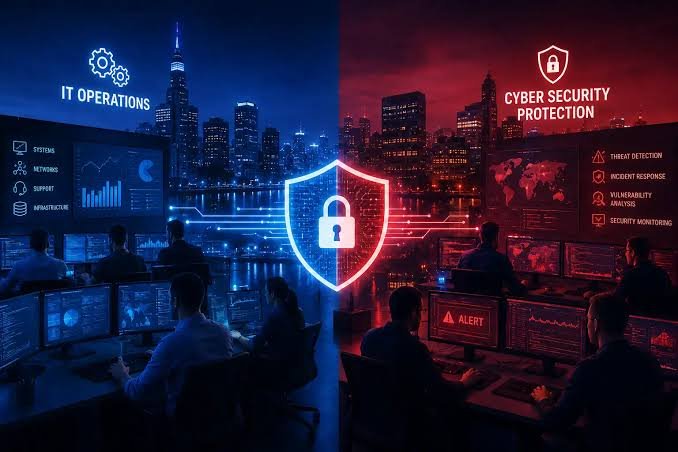
Cybersecurity alerts provide organizations with valuable insight into emerging threats, allowing them to strengthen defenses before attacks occur. From ransomware and phishing campaigns to zero-day vulnerabilities, cloud misconfigurations, identity theft, and AI-powered attacks, today’s threat landscape requires constant vigilance.
Organizations that implement strong security practices—including Multi-Factor Authentication, timely software updates, employee awareness training, continuous monitoring, secure backups, and Zero Trust principles—can significantly reduce their cyber risk.
Cybersecurity is an ongoing process rather than a one-time investment. Staying informed about the latest cybersecurity alerts and acting quickly on emerging threats will help organizations protect sensitive data, maintain business continuity, and build long-term customer trust.