Identity Theft and Online Fraud: Latest News and Trends in 2026
Identity theft and online fraud continue to be among the fastest-growing cybersecurity challenges worldwide. As more people and businesses rely on digital services, cybercriminals are finding new ways to steal personal information, manipulate victims, and commit financial crimes.
In 2026, fraudsters are increasingly using artificial intelligence (AI), deepfake technology, social engineering, and stolen credentials to create more convincing attacks. Security researchers are also warning that identity fraud is becoming more complex, with criminals combining multiple techniques instead of relying on traditional scams. Recent identity crime reports highlight the growing impact of hacked devices, impersonation scams, and multi-layered fraud campaigns.
This article explores the latest identity theft and online fraud trends, explains how criminals operate, and provides practical strategies for individuals and organizations to stay protected.
Why Identity Theft Is Increasing
Identity theft occurs when criminals obtain and misuse someone’s personal information without permission. This information may include:
- Names and addresses
- Passwords
- Banking details
- Credit card information
- Government identification numbers
- Medical records
- Authentication tokens
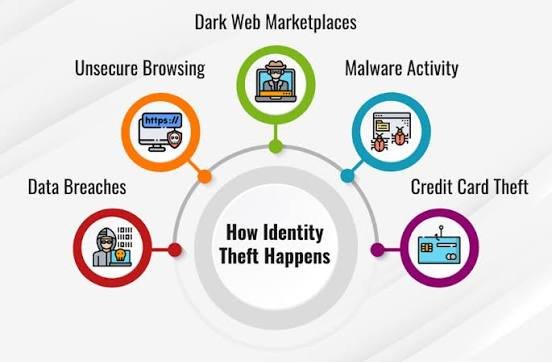
The increasing amount of personal data stored online has created more opportunities for criminals. Data breaches, phishing campaigns, malware infections, and social engineering attacks continue to expose sensitive information.
Cybercriminal groups have also become more organized, operating fraud networks that use specialized tools and techniques to target victims across multiple countries.
1. AI-Powered Identity Fraud
Artificial intelligence has become one of the biggest factors changing the identity theft landscape.
Criminals are using AI to:
- Create realistic phishing messages
- Generate fake identities
- Clone voices
- Produce deepfake videos
- Automate scam campaigns
- Improve social engineering attacks
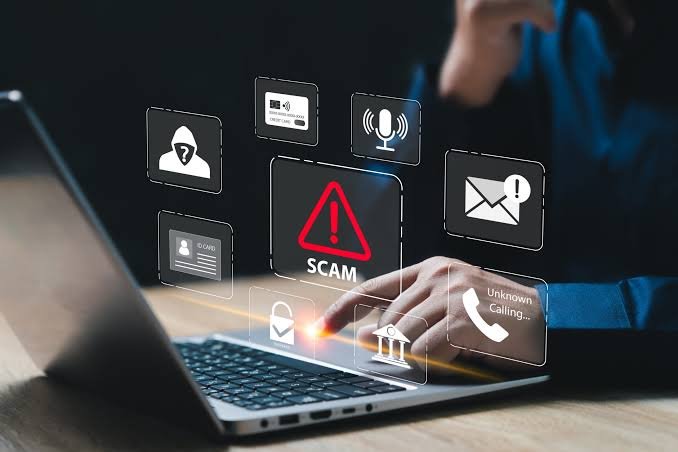
AI-powered scams are especially dangerous because they can appear highly personalized and convincing. Attackers may impersonate company executives, family members, banks, or government officials to trick victims into sharing sensitive information.
How to Stay Protected
- Verify unexpected requests through official channels.
- Avoid sharing personal information through unknown websites.
- Use strong account security measures.
- Be cautious with voice and video messages requesting urgent action.
2. Deepfake Scams Are Becoming More Common
Deepfake technology allows criminals to create realistic fake images, videos, and audio recordings.
Fraudsters use deepfakes for:
- Executive impersonation scams
- Fake customer support calls
- Investment fraud
- Romance scams
- Identity verification bypass attempts
Security experts are increasingly concerned that deepfake technology can make traditional verification methods less reliable. Organizations are responding by improving identity verification systems and using behavioral analysis tools.
3. Synthetic Identity Fraud
Synthetic identity fraud involves creating fake identities by combining real and fabricated information.
For example, criminals may combine:
- A real person’s stolen identification number
- A fake name
- A false address
- Fraudulent account information
These fake identities may be used to open bank accounts, obtain loans, or commit financial fraud.
Synthetic identity fraud has become one of the fastest-growing categories of fraud because it can remain undetected for long periods.
Prevention Strategies
- Monitor financial accounts regularly.
- Review credit reports.
- Protect personal identification information.
- Use identity monitoring services.
4. Phishing and Social Engineering Attacks
Phishing remains one of the most successful methods used for identity theft.
Modern phishing attacks include:
- Fake banking emails
- Fraudulent login pages
- QR code scams
- SMS phishing
- Fake customer support messages
Attackers often create a sense of urgency by claiming:
- Your account has been locked.
- Payment is required immediately.
- Security verification is needed.
- A suspicious transaction occurred.
Protection Tips
- Do not click unknown links.
- Check website addresses carefully.
- Avoid downloading unexpected attachments.
- Confirm suspicious messages directly with organizations.
5. Business Email Compromise (BEC)
Business Email Compromise is a major online fraud threat affecting organizations worldwide.
In BEC attacks, criminals impersonate:
- Company executives
- Employees
- Vendors
- Business partners
The goal is usually to convince employees to:
- Transfer money
- Share confidential information
- Change payment details
These attacks can cause significant financial losses because they exploit trust rather than technical vulnerabilities.
Business Protection Measures
- Require approval for financial transactions.
- Verify payment changes independently.
- Train employees about social engineering.
- Protect executive accounts with MFA.
6. Account Takeover Attacks
Account takeover occurs when criminals gain unauthorized access to online accounts.
Common targets include:
- Email accounts
- Banking accounts
- Social media profiles
- Shopping accounts
- Business applications
Attackers often use:
- Stolen passwords
- Credential stuffing
- Malware
- Fake login pages
Once inside an account, criminals may steal information, commit fraud, or use the account to attack others.
Prevention
- Use unique passwords.
- Enable MFA.
- Avoid password reuse.
- Monitor account activity.
7. Mobile Fraud and Device-Based Attacks
Smartphones contain large amounts of personal information, making them valuable targets.
Mobile threats include:
- Fake applications
- Banking malware
- Spyware
- SIM swapping
- Malicious links
Security researchers have noted that compromised devices are becoming an increasingly important part of identity crime.
Mobile Security Tips
- Install apps only from trusted sources.
- Keep devices updated.
- Use screen locks and biometric protection.
- Avoid public Wi-Fi for sensitive transactions.
8. Data Breaches Fuel Identity Theft
Large-scale data breaches continue to provide criminals with valuable personal information.
Stolen data may be used for:
- Fraudulent account creation
- Password attacks
- Identity impersonation
- Financial scams
Healthcare, financial services, and technology organizations remain frequent targets because they store large amounts of sensitive data.
Industries Most Affected by Online Fraud
Identity theft and fraud impact nearly every industry, but some sectors face higher risks.
Common targets include:
- Banking and financial services
- Healthcare
- Retail
- Insurance
- Government organizations
- Technology companies
- Online marketplaces
Organizations handling personal information must invest heavily in identity protection and fraud prevention.
How Organizations Can Prevent Identity Fraud
Businesses can reduce identity-related risks through strong security practices.
1. Implement Multi-Factor Authentication
MFA provides additional protection even when passwords are compromised.
2. Use Identity Verification Systems
Modern verification tools can detect suspicious activity and prevent unauthorized access.
3. Monitor User Behavior
Behavior analytics can identify unusual login patterns and account activity.
4. Protect Customer Data
Organizations should encrypt sensitive information and limit unnecessary access.
5. Train Employees
Employees should understand phishing, impersonation scams, and fraud warning signs.
6. Create an Incident Response Plan
A clear response process helps organizations react quickly after fraud or data theft occurs.
Future Trends in Identity Theft and Online Fraud
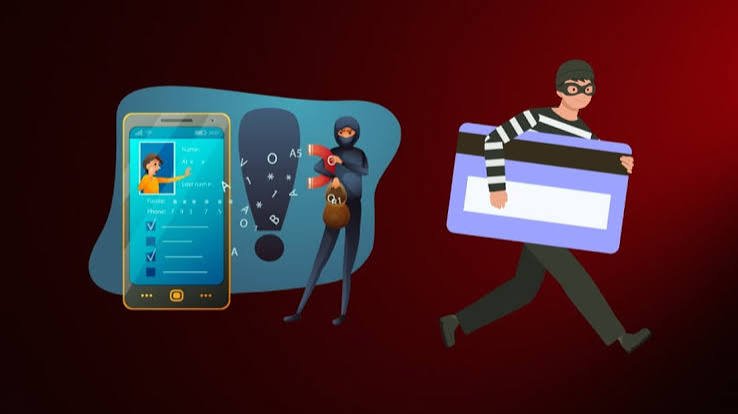
Experts expect identity fraud to become more advanced as criminals continue adopting AI and automation.
Future fraud trends may include:
- More realistic deepfake attacks
- Automated scam campaigns
- AI-generated identities
- Advanced credential theft
- Increased targeting of digital payments
At the same time, businesses are developing stronger defenses using AI-based fraud detection, biometric verification, behavioral analytics, and improved identity security frameworks.
Conclusion
Identity theft and online fraud remain major cybersecurity challenges in 2026. Criminals are using advanced technologies such as artificial intelligence, deepfakes, synthetic identities, and automated attack tools to make scams more convincing and difficult to detect.
Individuals and organizations can reduce their risk by adopting strong cybersecurity habits, including multi-factor authentication, careful verification of requests, regular monitoring of accounts, secure password practices, and employee security training.
As digital services continue to expand, protecting personal identity will become an essential part of cybersecurity. Staying informed about the latest fraud trends and implementing proactive security measures will help individuals and businesses defend against the evolving threat of online fraud.