
Cybersecurity Predictions Based on Recent Global Incidents in 2026
The cybersecurity landscape is changing faster than ever. Recent global cyber incidents have revealed new attack patterns, advanced threat techniques, and weaknesses in digital infrastructure. From ransomware campaigns and AI-powered attacks to supply chain compromises and identity-based breaches, organizations worldwide are facing a more complex threat environment.
Security experts predict that cybercriminals will continue adopting artificial intelligence, automation, and advanced social engineering methods to increase the speed and effectiveness of their attacks. At the same time, businesses are investing in stronger security frameworks, artificial intelligence-driven defenses, and Zero Trust strategies to improve resilience. Recent cybersecurity outlook reports identify AI-driven threats, ransomware, supply chain risks, and identity security as major areas of concern for organizations in 2026.
This article explores the biggest cybersecurity predictions based on recent global incidents and explains how organizations can prepare for emerging threats.
Why Recent Cyber Incidents Matter
Cyberattacks are no longer isolated technical problems. Modern incidents can affect global supply chains, financial markets, healthcare services, government operations, and millions of customers.
Recent attacks have demonstrated that:
- A single compromised vendor can affect thousands of organizations.
- Stolen credentials can bypass traditional security controls.
- AI can accelerate both attacks and defenses.
- Ransomware remains a major business disruption risk.
- Identity security is becoming as important as network security.
These lessons are shaping cybersecurity strategies for businesses worldwide.

1. AI Will Become a Major Force in Cybersecurity Attacks
One of the biggest cybersecurity predictions for 2026 is the continued growth of AI-powered attacks.
Attackers are increasingly using AI to:
- Create realistic phishing emails
- Automate reconnaissance
- Generate malicious content
- Improve social engineering campaigns
- Identify vulnerable systems faster
Security researchers expect cybercriminals to move from experimenting with AI tools to using them as a standard part of attack operations.
How Organizations Should Prepare
Businesses should:
- Deploy AI-powered security monitoring.
- Train employees to identify AI-generated scams.
- Monitor unusual user behavior.
- Establish policies for secure AI usage.
AI will become a cybersecurity battlefield where attackers and defenders compete using increasingly advanced technologies.
2. Ransomware Will Continue Targeting Critical Organizations
Ransomware remains one of the most damaging cyber threats globally. Recent incidents show that attackers are focusing on organizations where downtime creates immediate pressure to pay.
Future ransomware campaigns are expected to include:
- Faster attack deployment
- More data theft before encryption
- Increased targeting of critical infrastructure
- Greater use of stolen credentials
Recent reporting indicates that ransomware groups are combining AI-enhanced tactics with traditional methods such as credential theft and exploitation of remote access tools.
Ransomware Protection Predictions
Organizations will increasingly adopt:
- Immutable backups
- Endpoint detection systems
- Zero Trust security models
- Strong identity controls
- Regular incident response testing
Businesses that prepare before an attack will recover faster and reduce financial damage.
3. Identity Security Will Become the New Security Priority
Many recent breaches have shown that attackers often target identities rather than systems.
Instead of breaking through firewalls, criminals frequently use:
- Stolen passwords
- Compromised accounts
- Authentication tokens
- Session cookies
- Privileged credentials
Security leaders predict that identity protection will become one of the most important areas of cybersecurity investment. The World Economic Forum has highlighted cyber-enabled fraud, phishing, and identity-related risks as major concerns for organizations.
Future Identity Security Measures
Organizations will increase adoption of:
- Passwordless authentication
- Multi-Factor Authentication (MFA)
- Privileged access management
- Continuous identity verification
- Behavioral analytics
4. Supply Chain Attacks Will Increase
Recent global incidents have shown that attackers often target the weakest link in a business ecosystem.
Instead of attacking large companies directly, criminals may compromise:
- Software providers
- Cloud vendors
- Third-party contractors
- Open-source components
Supply chain attacks can spread quickly because organizations often trust their vendors and software updates. Experts continue to warn that third-party security remains a major challenge.
Future Supply Chain Security Trends
Companies will focus on:
- Software Bill of Materials (SBOM)
- Vendor risk assessments
- Third-party monitoring
- Stronger access controls
- Secure software development practices
5. Cloud Security Will Receive More Attention
Cloud adoption continues to grow, but recent incidents have shown that cloud environments require stronger protection.
Future cloud security risks include:
- Misconfigured storage
- Weak identity controls
- Exposed APIs
- Cloud account compromise
- Unauthorized access
Organizations will increasingly move toward continuous cloud security monitoring instead of occasional security reviews.
Cloud Security Predictions
Businesses will invest more in:
- Cloud Security Posture Management (CSPM)
- Identity and Access Management (IAM)
- Encryption
- Automated compliance monitoring
- Cloud threat detection
6. Deepfake and Digital Fraud Attacks Will Expand
Deepfake technology is expected to become a major challenge for businesses and individuals.
Attackers may use fake:
- Executive voices
- Video messages
- Customer support representatives
- Identity documents
These attacks could increase financial fraud and make traditional verification methods less reliable.
Protection Strategies
Organizations should:
- Verify unusual requests through multiple channels.
- Establish approval procedures for financial transactions.
- Train employees about deepfake risks.
- Use advanced identity verification tools.
7. Critical Infrastructure Will Remain a Major Target
Energy systems, transportation networks, healthcare providers, and government services are increasingly attractive targets for cybercriminals and nation-state groups.
Recent incidents have shown that cyberattacks against critical infrastructure can create widespread disruption beyond individual organizations.
Future Defense Priorities
Critical sectors will focus on:
- Network segmentation
- Continuous monitoring
- Incident response planning
- Security automation
- Strong access controls
8. Security Teams Will Adopt More Automation
The growing volume of cyber threats is making manual security operations difficult.
Organizations are expected to increase adoption of:
- AI-powered Security Operations Centers (SOCs)
- Automated threat detection
- Automated incident response
- Behavioral analytics
Automation will help security teams respond faster and manage increasing attack volumes.
9. Cybersecurity Regulations Will Become Stronger
Governments worldwide are introducing stricter cybersecurity requirements for organizations handling sensitive information.
Future regulations are expected to focus on:
- Data protection
- Incident reporting
- Supply chain security
- AI governance
- Critical infrastructure protection
Businesses will need stronger compliance programs to meet evolving requirements.
How Organizations Can Prepare for Future Cyber Threats
Based on recent global incidents, organizations should prioritize several cybersecurity actions:
1. Strengthen Identity Protection
Use MFA, strong access controls, and continuous authentication.
2. Improve Employee Awareness
Train employees to recognize phishing, fraud, and social engineering attacks.
3. Update Security Systems
Regularly patch software, applications, and infrastructure.
4. Protect Critical Data
Use encryption, backups, and access restrictions.
5. Monitor Threat Intelligence
Stay informed about emerging threats and vulnerabilities.
6. Test Incident Response Plans
Regular exercises help organizations react quickly during real attacks.
Conclusion
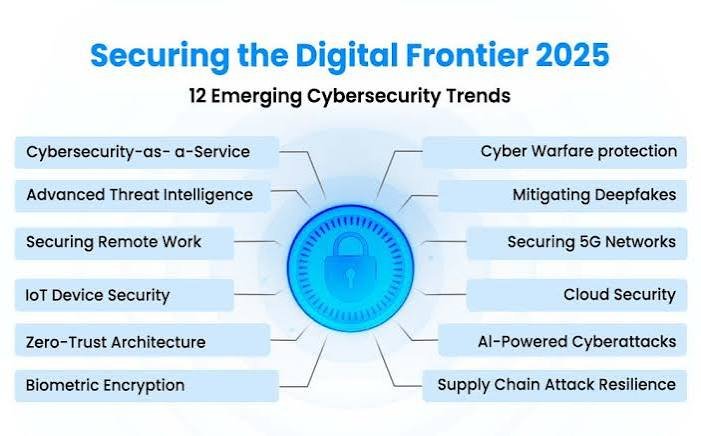
Recent global cyber incidents provide valuable lessons about the future of cybersecurity. AI-powered attacks, ransomware, identity theft, supply chain compromises, cloud vulnerabilities, and digital fraud will continue shaping the threat landscape in 2026 and beyond.
Organizations that rely only on traditional security methods may struggle against modern threats. The future of cybersecurity requires a proactive approach combining artificial intelligence, strong identity protection, continuous monitoring, employee education, and advanced security frameworks.
By learning from recent incidents and preparing for emerging risks, businesses can strengthen their defenses, protect valuable information, and maintain trust in an increasingly digital world.