
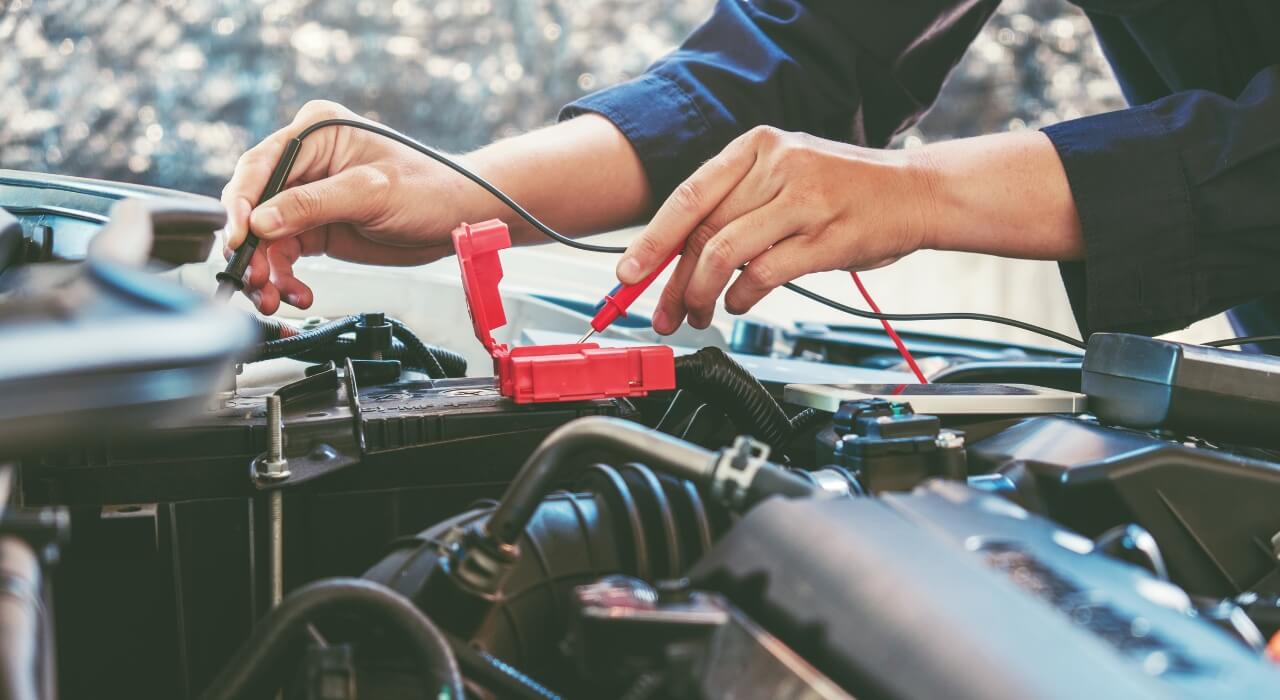
Navigating the world of auto-electric components can be daunting for many car owners, and the complexity often begins with understanding the basic terminology. In this blog post, we’ll demystify common electrical terms that every car owner should know, helping you to better manage your vehicle’s maintenance needs and communicate more effectively with your mechanic, not to mention when you’re looking to buy auto electric parts.
Alternator
The alternator is a pivotal component in your vehicle’s electrical system – it charges the battery while your car is running and powers the electrical system. Essentially, every time your engine is running, the alternator is working to ensure that the battery remains charged and your car’s headlights, dashboard indicators, and other electrical components function properly.
Battery
The battery provides the electrical power necessary to start your engine. Beyond ignition, it supplies power to the vehicle’s electronic components when the engine isn’t running. Car batteries need regular checks and eventual replacement to ensure reliability, especially in extreme weather conditions, as they can lose charge or deteriorate.
Voltage Regulator
This device is crucial as it controls the voltage level in your car’s electrical system, ensuring that the alternator delivers the correct voltage to the battery. This prevents overcharging and damage to the battery and electrical systems.
Fuse
A fuse is a safety device designed to protect your car’s electrical circuits. It has a wire or strip of metal inside which melts and breaks the circuit if the current flowing through it exceeds a safe level. Knowing where your fuse box is and which fuse controls what circuit can save time and frustration when electrical components fail.
Relay
A relay is an electrically operated switch. It uses a small amount of current to control a larger amount of current, thereby protecting sensitive components from damage. For example, headlight relays manage the flow of electricity to your car’s headlights, ensuring they work at the proper brightness without overheating or drawing too much power.
Suggestion: The Best Sedan Lease Deals Under $399 of 2024
Starter Motor
This motor is what cranks your engine when you turn the ignition key or press the start button. It converts electrical energy from the battery into mechanical energy. A faulty starter motor might manifest as clicking noises, or the engine not turning over when you try to start your car.
Spark Plugs
These are responsible for igniting the air/fuel mixture in the combustion chamber of your engine. A spark plug delivers a small bolt of electricity that creates the spark necessary to start the combustion process. Keeping spark plugs in good condition is essential for optimal engine performance and fuel efficiency.
Ground Wire
This is a critical part of the electrical circuit in any vehicle, providing a safe path for electricity to return to the ground. Without a proper ground, electrical circuits may not work correctly, and in some cases, it can lead to a risk of electric shock.
Ammeter
An ammeter is a measuring instrument used to measure the current in a circuit. In vehicles, particularly those with high-performance electrical systems, monitoring the ammeter can help ensure that the electrical system is functioning correctly without overloading.
Circuit Breaker
Similar to a fuse, a circuit breaker helps protect the electrical system of your car by automatically cutting off electrical flow when it detects a fault or overload. Unlike fuses, which need to be replaced once blown, circuit breakers can be reset.
Practical Application
Understanding these terms is not just about enhancing your vocabulary; it’s about practical, everyday use. For instance, if your car fails to start and you hear a clicking sound, checking the battery, starter motor, and relevant relays or fuses can often pinpoint and potentially resolve the issue. Similarly, if your lights dim or flicker, it might be time to inspect the alternator or voltage regulator.
By familiarising yourself with these essential electrical terms, you empower yourself to take better care of your vehicle, making sure it remains reliable, efficient, and safe on the road. Remember, regular checks and maintenance of your car’s electrical system not only prevent future problems but also extend the life of your vehicle.
