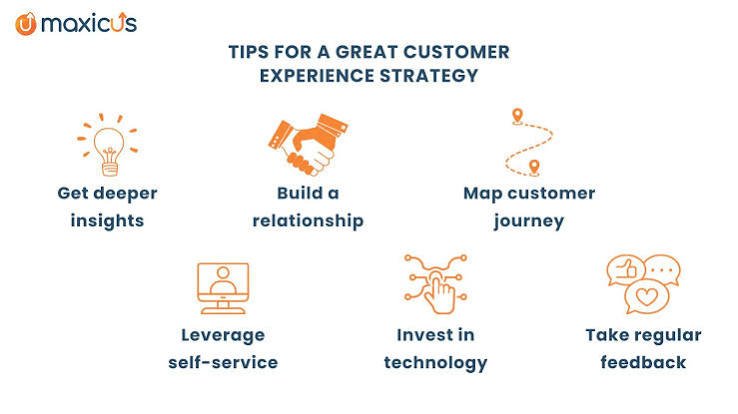
Every successful business has one thing in common: it puts customers first. Whether you run a small startup, a local business, or a global corporation, your customers are the reason your business exists. Products can change, technology evolves, and markets become more competitive every year, but one principle always remains the same—businesses that genuinely prioritize their customers are the ones that achieve sustainable success.
The phrase Customer First is more than just a business slogan. It is a philosophy that influences every decision an organization makes. From product development and marketing to customer service and after-sales support, a customer-first approach ensures that every interaction creates value for the people who buy your products or services.
Today’s customers have more choices than ever before. With just a few clicks, they can compare prices, read reviews, and switch to a competitor. Because of this, businesses can no longer rely solely on offering good products. Instead, they must create exceptional customer experiences that build trust, loyalty, and long-term relationships.
Companies such as Amazon, Apple, and Disney have demonstrated that customer satisfaction is not an expense but an investment. Their focus on delivering outstanding experiences has helped them build loyal customer bases and become industry leaders.
This comprehensive guide explores everything you need to know about the Customer First philosophy, including its importance, benefits, implementation strategies, challenges, real-world examples, and future trends.
What Does Customer First Mean?
Customer First means making customers the highest priority in every aspect of a business. It involves understanding customer needs, solving their problems, and creating experiences that exceed expectations.
A customer-first organization asks questions like:
- What does the customer need?
- How can we improve their experience?
- Are we making their lives easier?
- What challenges are they facing?
- How can we create more value?
Rather than focusing only on increasing sales, customer-first companies focus on building relationships. When customers trust a business, they return, recommend it to others, and become loyal supporters.
Why Customer First Matters
Modern consumers expect more than quality products. They expect businesses to understand their needs and provide personalized experiences.
Some reasons why Customer First matters include:
Increased Customer Loyalty
Satisfied customers are more likely to return for future purchases. Loyal customers often spend more money over time and recommend businesses to friends and family.
Better Brand Reputation
Positive customer experiences generate excellent reviews and word-of-mouth marketing, helping businesses attract new customers.
Higher Revenue
Customer retention is often more profitable than acquiring new customers. Loyal customers purchase repeatedly and increase lifetime value.
Competitive Advantage
In competitive industries, excellent customer service can become the deciding factor between choosing one company over another.
Long-Term Growth
Businesses that consistently prioritize customer satisfaction often achieve sustainable growth and stronger market positions.
The Core Principles of Customer First
1. Listen to Customers
Listening is the foundation of customer satisfaction.
Businesses should collect customer feedback through:
- Surveys
- Reviews
- Interviews
- Social media
- Email feedback
- Customer support interactions
Every piece of feedback provides valuable insights into customer expectations.
2. Understand Customer Needs
Understanding customers requires research and empathy.
Businesses should identify:
- Customer goals
- Pain points
- Buying behavior
- Preferences
- Expectations
This information helps create products and services that solve real problems.
3. Deliver Excellent Service

Great customer service involves:
- Fast response times
- Friendly communication
- Problem-solving
- Professional behavior
- Clear information
Customers remember how businesses make them feel.
4. Build Trust
Trust develops through:
- Honest communication
- Transparent pricing
- Reliable products
- Consistent quality
- Keeping promises
Without trust, customer relationships rarely last.
5. Create Personalized Experiences
Modern customers appreciate personalized interactions.
Businesses can personalize experiences through:
- Product recommendations
- Personalized emails
- Customized offers
- Relevant content
- Individual support
Personalization makes customers feel valued.
Benefits of a Customer-First Strategy
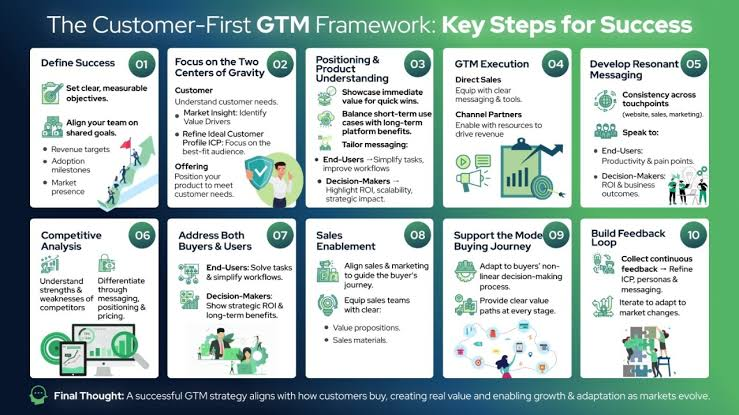
A customer-first strategy provides numerous benefits.
Higher Customer Satisfaction
Meeting customer expectations increases satisfaction and reduces complaints.
Stronger Customer Relationships
Customers develop emotional connections with brands that genuinely care about them.
Increased Referrals
Happy customers naturally recommend businesses to friends and colleagues.
Lower Marketing Costs
Retaining existing customers is often less expensive than acquiring new ones.
Greater Employee Motivation
Employees working in customer-focused organizations often feel more connected to the company’s mission.
Characteristics of Customer-First Companies
Successful customer-centric businesses usually share several characteristics:
- They listen actively.
- They value customer feedback.
- They solve problems quickly.
- They communicate honestly.
- They continuously improve.
- They invest in customer support.
- They empower employees.
- They innovate based on customer needs.
These qualities create long-lasting customer relationships.
Customer Experience vs Customer Service
Many people confuse customer experience with customer service.
Customer service refers to the assistance provided before, during, and after a purchase.
Customer experience includes every interaction a customer has with a business, including:
- Website browsing
- Marketing
- Purchasing
- Product quality
- Delivery
- Customer support
- Returns
- Follow-up communication
Excellent customer service contributes to a great customer experience, but it is only one part of the overall journey.
How Businesses Can Become Customer First
Transitioning to a customer-first approach requires commitment across the entire organization.
Businesses should:
- Train employees regularly.
- Improve communication.
- Invest in customer relationship management systems.
- Analyze customer feedback.
- Measure customer satisfaction.
- Focus on long-term relationships instead of short-term profits.
When customer needs become the foundation of decision-making, businesses create stronger connections and better outcomes.
Frequently Asked Questions (FAQs)
1. What does “Customer First” mean?
Customer First is a business philosophy that places customers at the center of every decision. It focuses on understanding customer needs, delivering exceptional experiences, and building long-term relationships rather than simply making sales.
2. Why is a Customer First strategy important?
A Customer First strategy helps businesses improve customer satisfaction, increase loyalty, strengthen their reputation, generate positive word-of-mouth, and achieve sustainable long-term growth.
3. How can a business become customer-centric?
Businesses can become customer-centric by listening to customer feedback, improving customer service, training employees, personalizing experiences, responding quickly to issues, and continuously improving products and services based on customer needs.
4. What are the main benefits of putting customers first?
Some of the biggest benefits include higher customer retention, increased revenue, stronger brand trust, improved customer satisfaction, more referrals, and a competitive advantage in the marketplace.
5. What is the difference between Customer Service and Customer Experience?
Customer Service refers to the support customers receive before, during, or after a purchase. Customer Experience is the complete journey a customer has with a business, including marketing, website usability, product quality, purchasing, delivery, and after-sales support.
6. How does customer feedback improve a business?
Customer feedback helps businesses identify strengths, discover weaknesses, improve products, enhance services, and make better business decisions that align with customer expectations.
7. Can small businesses adopt a Customer First approach?
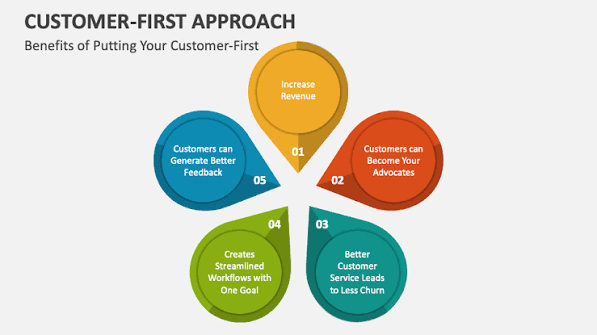
Yes. A Customer First approach is valuable for businesses of all sizes. Small businesses often have an advantage because they can build stronger personal relationships with customers and provide more personalized service.
Conclusion
Putting the Customer First philosophy into practice is one of the smartest investments any business can make. When customers feel valued, respected, and understood, they are more likely to trust your brand, make repeat purchases, and recommend your business to others. A customer-first approach is not just about providing excellent customer service—it is about creating meaningful experiences at every stage of the customer journey.
Successful businesses recognize that long-term growth comes from building strong relationships rather than focusing solely on short-term profits. By listening to customer feedback, delivering high-quality products and services, communicating transparently, and continuously improving based on customer needs, organizations can establish a loyal customer base and stand out in a competitive market.
As technology and consumer expectations continue to evolve, businesses that remain committed to putting customers first will be better equipped to adapt, innovate, and succeed. Whether you operate a small startup or a global enterprise, making your customers the center of every decision will strengthen your reputation, increase customer loyalty, and drive sustainable business growth for years to come. In today’s competitive world, a Customer First mindset is not just an advantage—it is the foundation of lasting success.