Introduction to Information Security
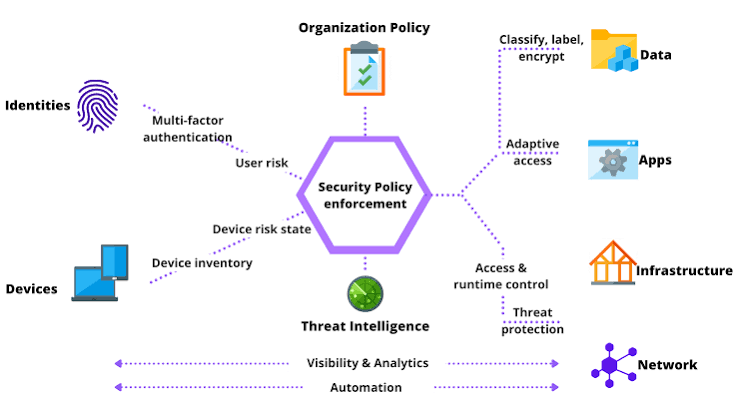
In today’s digital world, information has become one of the most valuable assets for individuals, businesses, governments, and organizations. Every day, millions of people share, store, and transfer massive amounts of data through computers, smartphones, cloud platforms, and online services. This increasing dependence on digital information has also created new risks, making Information Security a critical area of technology and business protection.
Information Security refers to the process of protecting sensitive information from unauthorized access, misuse, disclosure, alteration, disruption, or destruction. It involves the use of policies, technologies, processes, and security practices designed to keep data safe and ensure that information remains confidential, accurate, and available when needed.
From personal emails and financial records to corporate databases and government systems, almost every type of information requires proper protection. A security breach can result in financial losses, identity theft, reputational damage, legal problems, and loss of customer trust. This is why organizations around the world invest heavily in information security strategies.
As cyber threats continue to grow more advanced, understanding information security is no longer limited to IT professionals. Business owners, employees, students, and everyday internet users all need basic knowledge of how information can be protected.
What Is Information Security?
Information Security, often abbreviated as InfoSec, is the practice of protecting information and information systems from unauthorized activities. These activities may include stealing data, modifying information, damaging systems, or preventing legitimate users from accessing important resources.
The main goal of information security is to ensure that information is protected throughout its entire lifecycle — from creation and storage to sharing and deletion.
Information security focuses on three fundamental principles known as the CIA Triad:
1. Confidentiality
Confidentiality ensures that information is accessible only to authorized individuals. It prevents unauthorized users from viewing sensitive data.
For example, a company’s employee records, customer information, and financial documents should only be available to people who have proper permission.
Security methods used to maintain confidentiality include:
- Password protection
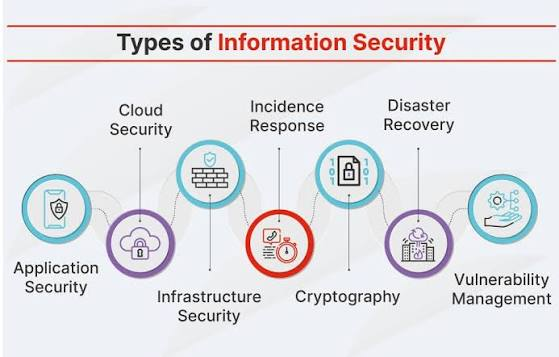
- Encryption
- Access control systems
- Multi-factor authentication
2. Integrity

Integrity ensures that information remains accurate, complete, and unchanged unless authorized modifications are made.
Data integrity is important because incorrect or manipulated information can lead to serious problems. For example, changing financial records or medical information without permission could create harmful consequences.
Organizations protect data integrity through:
- Digital signatures
- Data validation
- Version control
- Security monitoring
3. Availability
Availability ensures that information and systems are accessible to authorized users whenever required.
A system that is unavailable due to cyberattacks, hardware failures, or technical issues can negatively affect businesses and users.
Availability can be improved through:
- Regular backups
- Disaster recovery plans
- System maintenance
- Network protection
The CIA Triad forms the foundation of information security and helps organizations develop effective security strategies.
Why Is Information Security Important?
The importance of information security has increased significantly because modern society depends heavily on digital technology. Every organization collects and processes large amounts of information, including customer details, employee records, business plans, and financial data.
Without proper security measures, this information can become vulnerable to cybercriminals.
Protection Against Cyber Threats
Cyberattacks are becoming more frequent and sophisticated. Hackers use different techniques to steal information, damage systems, and exploit weaknesses.
Common cyber threats include:
- Malware attacks
- Phishing scams
- Ransomware
- Data breaches
- Identity theft
- Social engineering attacks
Information security helps detect, prevent, and respond to these threats.
Protecting Personal Information
Individuals share personal information online every day. Social media accounts, online banking platforms, shopping websites, and mobile applications all collect user data.
If this information is not properly protected, criminals may use it for:
- Financial fraud
- Account theft
- Identity misuse
- Privacy violations
Strong information security practices help individuals maintain control over their personal data.
Building Customer Trust
For businesses, customer trust is extremely important. Customers expect companies to protect their personal and financial information.
A company that experiences a data breach may lose customer confidence and damage its reputation.
Strong information security helps businesses:
- Maintain customer loyalty
- Protect sensitive data
- Meet legal requirements
- Improve business credibility
Compliance With Regulations
Many industries must follow strict data protection regulations. These rules require organizations to implement security measures to protect sensitive information.
Failure to follow security regulations can result in:
- Legal penalties
- Financial losses
- Business restrictions
Information security helps organizations meet compliance requirements and maintain responsible data management practices.
10 Benefits of Information Security
1. Protection of Sensitive Data
Information security helps protect confidential information such as personal details, financial records, business documents, and customer data from unauthorized access and theft.
2. Prevention of Cyberattacks
Strong information security practices reduce the chances of cyberattacks such as malware, phishing, ransomware, and data breaches.
3. Increased Customer Trust
Businesses that protect customer information build stronger relationships and gain trust by showing that they take privacy and security seriously.
4. Reduces Financial Losses
Security breaches can cause significant financial damage. Information security helps prevent costly attacks, fraud, and data recovery expenses.
5. Ensures Data Accuracy
Information security maintains data integrity by preventing unauthorized changes, ensuring that information remains correct and reliable.
6. Supports Business Continuity
Security systems such as backups and disaster recovery plans help businesses continue operations during cyber incidents or technical failures.
7. Protects Personal Privacy
Information security helps individuals keep their private information safe from identity theft, online scams, and unauthorized use.
8. Helps Meet Legal Requirements
Organizations can follow data protection laws and industry standards by implementing proper information security policies.
9. Improves Access Control
Information security allows organizations to control who can access specific information, reducing the risk of internal misuse.
10. Creates a Secure Digital Environment
Effective security measures create a safer environment for communication, online transactions, data sharing, and digital services.
Frequently Asked Questions (FAQs) About Information Security
1. What is Information Security?
Information Security is the practice of protecting digital and physical information from unauthorized access, theft, modification, or destruction. It ensures that data remains confidential, accurate, and available to authorized users.
2. Why is Information Security important?
Information Security is important because it protects sensitive data, prevents cyber threats, reduces financial losses, and helps organizations maintain privacy and trust.
3. What are the main principles of Information Security?
The main principles of Information Security are known as the CIA Triad:
- Confidentiality
- Integrity
- Availability
These principles help ensure that information remains protected and reliable.
4. What is the difference between Cybersecurity and Information Security?
Cybersecurity focuses mainly on protecting computer systems, networks, and digital devices from cyber threats. Information Security has a broader focus and protects all types of information, including digital and physical data.
5. What are common Information Security threats?
Common threats include:
- Malware
- Phishing attacks
- Ransomware
- Data breaches
- Password attacks
- Social engineering
6. How can individuals improve their Information Security?
Individuals can improve security by using strong passwords, enabling multi-factor authentication, avoiding suspicious links, updating software regularly, and protecting personal information online.
7. What role does encryption play in Information Security?
Encryption converts information into an unreadable format so unauthorized users cannot access it. Only users with the correct decryption key can view the original information.
8. What is an Information Security policy?
An Information Security policy is a set of rules and guidelines created by an organization to protect its information assets and manage security risks.
9. Can small businesses benefit from Information Security?
Yes, small businesses also need information security because they are often targeted by cybercriminals. Security practices help protect customer data, financial information, and business operations.
10. What is the future of Information Security?
The future of Information Security will involve advanced technologies such as artificial intelligence, machine learning, zero-trust security models, and stronger privacy protection methods to fight evolving cyber threats.
Conclusion: Information Security
Information Security has become an essential part of the modern digital world. As individuals and organizations continue to depend on technology for communication, business operations, financial activities, and data storage, protecting information has become more important than ever.
Effective information security practices help prevent cyber threats, protect sensitive data, maintain privacy, and ensure that information remains accurate and available when needed. By implementing strong security measures such as encryption, access control, regular backups, and security awareness training, businesses and individuals can reduce risks and create a safer digital environment.
In the future, cyber threats will continue to evolve, making information security an ongoing process rather than a one-time solution. Staying updated with the latest security technologies and following best practices will help organizations and users protect their valuable information.
Ultimately, Information Security is not only about protecting data; it is about building trust, maintaining digital safety, and ensuring a secure future in an increasingly connected world.